High-Strength HHC Oil Benefits: Understanding Concentrated HHC Oils for Advanced Users
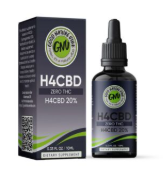
As the cannabinoid market becomes more structured, high-potency formulations are no longer niche products—they are a clearly defined category. Among these, high strength HHC oil options are increasingly chosen by advanced users who value efficiency, consistency, and precision. This article explains the benefits of concentrated HHC oils, how they fit into the European market, and why HHC oil 30% represents one of the strongest options available today.
What Are Concentrated HHC Oils?
A concentrated HHC oil contains a higher ratio of hexahydrocannabinol compared to standard formulations. These products are designed to deliver potency in smaller quantities, making them suitable for users who already understand cannabinoid strength and dosing expectations.
Within a structured HHC oil range, concentrated oils are typically positioned at the top tier and clearly marked for advanced use. This helps differentiate them from lower-strength alternatives found in broader HHC oils categories.
Key Benefits of High-Strength HHC Oil
One of the main advantages of using a strong HHC oil is efficiency. Higher potency means less product is needed to achieve the intended result, which appeals to experienced consumers seeking controlled use.
Notable benefits include:
- More predictable outcomes for experienced users
- Reduced volume per use
- Clear positioning within premium product tiers
These benefits explain why HHC oil for experienced users continues to grow in demand across Europe.
Why HHC Oil 30% Is Considered an Advanced Option
Among available formulations, HHC oil 30% is widely regarded as a benchmark for strength. Its concentration places it firmly within the category of high strength HHC oil, making it one of the most potent options commonly available.
This formulation is often featured as a leading product within curated HHC oil collections, where advanced users look for reliability rather than experimentation. Its potency also contributes to its classification as a premium HHC oil.
Quality and Product Standards Matter
High potency alone does not define a high-quality product. A true premium HHC oil must also meet standards related to sourcing, formulation clarity, and regulatory compliance. Reputable brands ensure that their strongest products align with requirements governing legal HHC oils in Europe.
Within established HHC products lines, high-strength oils are typically presented with clear labeling and transparent concentration details, helping users make informed choices.
The Role of High-Strength Oils in the European Market
The European cannabinoid landscape has shifted toward better organization and clearer categorization. Today, consumers can explore a full HHC oil range that separates beginner, intermediate, and advanced formulations.
High-strength options are usually found within:
- Dedicated HHC oil collections
- Advanced sections of HHC products categories
- Clearly labeled HHC oils for experienced users
This structure improves usability and supports responsible product selection.
Buying High-Strength HHC Oil Online
Many experienced consumers choose to buy HHC oil online to access detailed product descriptions and strength comparisons. Online retailers often provide well-organized HHC oil collections, allowing buyers to evaluate potency and compliance in one place.
When shopping online, advanced users benefit from:
- Clear strength indicators
- Access to premium formulations
- Confidence in selecting legal HHC oils in Europe
This makes online purchasing an efficient option for informed buyers.
Final Perspective
High-potency formulations play a specific and important role within the modern cannabinoid market. Products like HHC oil 30% are not designed for general use but for those seeking a strong HHC oil that delivers consistency and efficiency.
Within a structured HHC oil collection, concentrated oils represent the highest tier—serving advanced users who value clarity, strength, and product transparency.
About Author