How to Identify High-Quality Cannabis Flower Like a Pro
Use the three-sense check: look, smell, touch. It takes less than a minute and catches most “bad jar” problems before you buy.
Look for signs of a good grow and a good cure
Check color and overall freshness
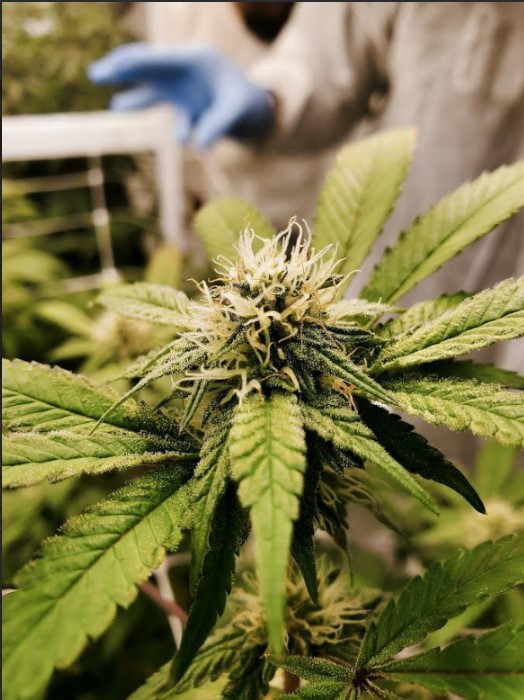
Healthy flower usually looks lively. Greens can range from deep green to bright lime. Purple and blue tones can happen too, depending on genetics and grow conditions.
Avoid buds that look dull, brown, gray, or yellowed. That often points to age, poor storage, or a rough dry and cure.
Check trichomes
Trichomes are the tiny crystal-like glands that hold most cannabinoids and terpenes. More visible trichomes usually means stronger aroma and better flavor.
What you want:
- A frosty, sparkly look
- Trichomes that seem intact, not rubbed off into the bottom of the jar
What to watch for:
- Lots of “shake” (loose bits) can mean the flower was handled too aggressively
Check trim and bud structure
Good flower is usually well-trimmed, with fewer large leaves. Buds should feel like buds, not a pile of leafy fluff.
General pattern:
- Dense and springy is often a good sign
- Very airy, fragile, or leafy can mean lower quality or rough handling
Visual red flags
Walk away if you see:
- White fuzzy spots, gray webbing, or powdery patches (possible mold)
- Anything that looks wet or sweaty inside the container
- Bugs or debris that clearly does not belong
Smell for terpene strength and “clean” aroma
What good flower often smells like
You’re looking for a clear, strong scent that matches the strain’s vibe (citrus, pine, gas, fruit, earth, spice). A strong smell usually means terpenes were preserved during drying, curing, and storage.
What bad flower often smells like
Avoid:
- Hay, stale grass, or cardboard (often old or poorly cured)
- Musty, basement-like odor (possible mold)
- Sharp chemical smell (possible contamination or bad storage)
If the smell is off, trust your nose. Your lungs will not enjoy being brave here.
Touch to confirm moisture and cure
Sticky is good, wet is not
Quality cannabis flower from various providers often feels slightly sticky because resin is present and intact.
Avoid:
- Damp or spongy-wet buds (higher mold risk, harsher smoke)
- Bone-dry buds that crumble into dust (often harsh, flavorless)
The snap test
Gently bend a small stem.
- Clean snap: usually a decent cure
- Bends without breaking: often too wet
- Shatters and crumbles: often too dry
Use labels and lab reports to double-check
Ignore one-number shopping
High THC does not automatically mean high quality. Aroma, cure, and freshness matter a lot, and the experience can vary even at the same THC percentage.
If you want a straight, science-based overview of cannabis and THC, use this as a reference: Cannabis (Marijuana) | National Institute on Drug Abuse (NIDA).
Read the COA when it’s available
A COA (Certificate of Analysis) is the lab report for that batch. It helps you confirm:
- Potency (THC, CBD, other cannabinoids)
- Terpenes (often listed by name and amount)
- Safety screening (common checks include microbes, pesticides, heavy metals, and more)
New Jersey has a simple consumer guide here: How to Read a COA.
About Author